Cjc 1295 / Ipamorelin What are the bad side effects of CJC-1295 and Ipamorelin?
\nWhat Are the Bad Side Effects of CJC-1295 and Ipamorelin? A Realistic Review
\n\nIf you are a man between the ages of 35 and 44, you have likely noticed that your recovery times are getting longer, stubborn belly fat is harder to shift, and your sleep isn\'t as deep as it used to be. In the search for a solution, the combination of CJC-1295 and Ipamorelin frequently surfaces in forums, podcasts, and clinic advertisements. It is marketed as a fountain of youth that naturally triggers growth hormone release without the extreme risks associated with synthetic Human Growth Hormone (HGH).
\n\nHowever, finding honest information about what happens when you actually introduce these compounds into your body is surprisingly difficult. Most content is written by clinics trying to sell you a subscription, or by enthusiast boards that overlook the downsides. If you are doing your homework before sticking a needle in your abdomen, your main concern isn\'t just the benefits—it’s the risks. Specifically, what are the bad side effects of CJC-1295 and Ipamorelin? This article approaches the question from a strictly objective, consumer-first perspective, analyzing what the research says, what real users experience, and where this stack can seriously go wrong.
\n\n\n\n
What This Peptide Combination Is and Who It Might Fit Best
\nTo understand the side effects, you first need to understand what these molecules are doing. CJC-1295 and Ipamorelin belong to a class of compounds called growth hormone secretagogues (GHS). Instead of putting foreign growth hormone into your bloodstream, they signal your pituitary gland to secrete its own stored growth hormone.
\n\nThey are almost always stacked together because they attack this signal from two different angles. CJC-1295 (typically without DAC, or Drug Affinity Complex, to mimic natural pulsatile releases) acts as a Growth Hormone-Releasing Hormone (GHRH) mimic. Ipamorelin acts as a ghrelin receptor agonist, mimicking the hunger hormone ghrelin to trigger a pulse of growth hormone while preventing cortisol and prolactin spikes.
\n\nThis protocol is primarily targeted at men in their late 30s and early 40s who are experiencing a age-related decline in natural growth hormone production. It is designed for individuals whose diet, sleep hygiene, and training are already dialed in, but who are looking for an edge in cellular repair, fat metabolism, and deep sleep cycles. It is emphatically not a magic shortcut for someone with a poor lifestyle, nor is it a replacement for testosterone replacement therapy (TRT) if clinical hypogonadism is the primary issue.
\n\n\n\n
Practical Benefits and Where It Falls Short
\nWhen the protocol works as intended, users generally report subtle but compounding benefits over a 3-to-6-month timeline. The most immediate shift occurs in sleep architecture—specifically an increase in slow-wave (deep) sleep within the first two weeks. Over 8 to 12 weeks, users often notice improved skin elasticity, slightly accelerated recovery from strenuous weight training, and an easier time maintaining lean muscle tissue while in a caloric deficit.
\n\nHowever, the internet often exaggerates these findings to look like an anabolic steroid cycle. It is not. The body composition changes are modest at best, and the downsides can be highly disruptive to daily life.
\n\n\n Positive Case Study: Mark, Age 41\n\n
\n Mark committed to a 12-week protocol utilizing a blended injection of 200 mcg of CJC-1295 (No DAC) and Ipamorelin, administered 5 days on, 2 days off, right before bed. His total cost through a licensed compounding clinic was $299 per month. By week 4, his wearable sleep tracker showed a consistent 25% increase in deep sleep duration. By week 12, his recovery from heavy lifting felt comparable to his early 30s, and he noted a modest 2% drop in body fat without changing his macronutrients. He experienced mild flushing for 10 minutes post-injection but considered it manageable.\n
\n Negative Case Study: Jason, Age 38\n\n
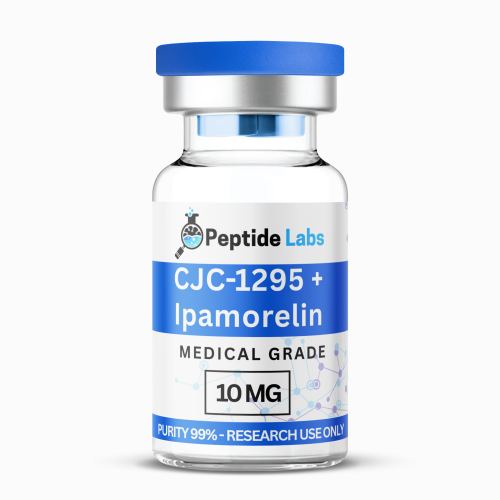
\n Jason purchased a cheap, unverified freeze-dried blend from an online "research chemical" vendor for $60 a vial, hoping to save money. He reconstituted it with bacteriostatic water and dosed it twice daily. Within three days, he experienced extreme, throbbing headaches that lasted for hours after each injection, accompanied by severe water retention. His hands became so swollen and numb in the mornings that he struggled to grip his steering wheel—a classic symptom of peripheral nerve compression from rapid fluid retention. He abandoned the cycle by week two, realizing the lack of purity and clinical guidance had compromised his health.\n
 \n
\n \n\n
What Research Suggests and What It Doesn\'t
\nClinical data on these compounds is a double-edged sword. While smaller clinical studies show that GHRH and ghrelin analogs effectively raise serum IGF-1 (Insulin-like Growth Factor 1) levels safely under controlled settings, long-term human data on the specific combination of CJC-1295 and Ipamorelin is limited. Most data points are extrapolated from individual studies of the separate compounds or derived from broader animal research.
\n\nWhen analyzing what are the bad side effects of CJC-1295 and Ipamorelin from a clinical perspective, several distinct issues emerge:
\n- \n
- Vasodilation and Head Rushes: CJC-1295 causes a rapid release of histamine and sudden micro-vascular widening. This frequently manifests as an intense facial flushing, an elevated heart rate, and a pounding headache that starts within minutes of the injection. \n
- Fluid Retention and Carpal Tunnel-like Symptoms: As growth hormone and IGF-1 levels rise, the body retains extra extracellular sodium and water. This leads to edema in the ankles and fingers, which can compress the median nerve, causing tingling or numbness in the hands. \n
- Insulin Resistance Risks: Chronically elevated growth hormone counters insulin activity, potentially elevating fasting blood glucose levels. If a user is already pre-diabetic or consumes a high-carbohydrate diet right around their dosing window, this stack could exacerbate insulin sensitivity issues. \n
- Pituitary Fatigue: Overusing these peptides without cycling off (e.g., running them continuously for 6+ months without breaks) can desensitize your receptors, making your natural growth hormone production sluggish once you stop. \n
\n\n
Ingredients, Formats, and Quality Signals
\nIf you choose to navigate this landscape, understanding what you are buying is paramount. True CJC-1295 and Ipamorelin are pure, sterile lyophilized (freeze-dried) white powders sealed in glass vials. They contain no added active ingredients other than the specific peptide sequences themselves, though some formulations may include a tiny amount of sterile mannitol to serve as a bulking agent for the cake structure during freeze-drying.
\n\nThe only legitimate format for clinical use is a subcutaneous injection. To utilize it, the powder must be reconstituted using sterile bacteriostatic water (water mixed with 0.9% benzyl alcohol to prevent bacterial growth).
\n\nQuality signals are the thin line between a safe protocol and a toxic mistake. Because the market is flooded with overseas manufacturing, a reputable supplier must provide a verifiable, third-party Certificate of Analysis (CoA). This document should be generated by an independent domestic laboratory using High-Performance Liquid Chromatography (HPLC) and Mass Spectrometry (MS). You must look for two critical metrics: purity (which should be 98% or higher) and accurate dosing/mass (ensuring a 10mg vial actually contains 10mg of active peptide, not under-dosed filler).
\n\n\n\n
Comparison of Common Options
\nNavigating how to source and apply these compounds requires comparing the different channels available to consumers. The table below breaks down the primary avenues men take when exploring this protocol.
\n\n| Format / Channel | \nTypical Dose/Use | \nPros | \nCons | \nEstimated Cost | \nBest For | \n
|---|---|---|---|---|---|
| U.S. Compounding Clinic (Prescription Injectable) | \n150–200 mcg of each per day, 5 days/week prior to sleep. | \nGuaranteed purity, legal security, medical supervision, sterile compounding. | \nRequires medical screening, high cost, potential waiting times. | \n$249 – $445 per month | \nHealth-conscious men looking for maximum safety and legal peace of mind. | \n
| Online "Research" Sites (Unregulated Powder) | \nSelf-mixed variable dosing protocols found on forums. | \nExtremely cheap, fast shipping, no prescription required. | \nHigh risk of impurities, heavy metals, structural under-dosing, zero legal recourse. | \n$45 – $95 per vial | \nRisk-tolerant individuals with extensive laboratory testing experience. | \n
| Oral Troches / Sublinguals (Under-the-Tongue Lozenges) | \n300–500 mcg daily before bed, dissolved under tongue. | \nNo needles required, less localized injection site discomfort. | \nVery poor bioavailability, highly inefficient, unpredictable absorption rates. | \n$200 – $300 per month | \nMen with a severe needle phobia who accept lesser clinical results. | \n
| Nasal Sprays (Intranasal Liquified Solution) | \n1–2 sprays per nostril daily. | \nConvenient, non-invasive alternative to daily injections. | \nDegrades rapidly, precise dosing is difficult, can irritate nasal passages. | \n$150 – $250 per month | \nUsers looking for casual convenience over raw efficacy. | \n
| Overseas Bulk Wholesalers (Raw Unlabeled Vials) | \nMass stockpiled custom blending. | \nLowest per-milligram price point available globally. | \nHigh custom seizure rates, completely unverified sterility, high risk of contamination. | \n$15 – $30 per vial | \nCommercial re-sellers operating at massive financial scale. | \n
\n\n
Buying Framework and Red Flags
\nIf you decide to proceed with sourcing this combination, you must treat the purchase like a medical-grade acquisition. Avoid emotional impulse buys driven by slick social media marketing. Use this checklist to filter out bad actors:
\n\n- \n
- [ ] Check for Lab Verification: Ensure the vendor provides a third-party CoA from a recognized domestic laboratory that matches the batch number printed on your vial. \n
- [ ] Verify the Compounding Source: If using a clinic, explicitly ask if their partner pharmacy is 503A or 503B compliant, meaning they are tightly regulated by federal guidelines. \n
- [ ] Avoid "Proprietary Blends": Never buy a product that hides the exact milligram ratio of CJC-1295 to Ipamorelin behind a "secret strength formula" label. \n
- [ ] Scan for Realistic Warnings: A legitimate seller will actively detail potential injection site pain and flushing rather than pretending the compound has zero side effects. \n
Be on high alert for these immediate red flags: Websites that only accept cryptic payment methods like cryptocurrency, packaging that lacks exact milligram quantities, and customer service teams that promise specific medical transformations or fat-loss guarantees.
\n\n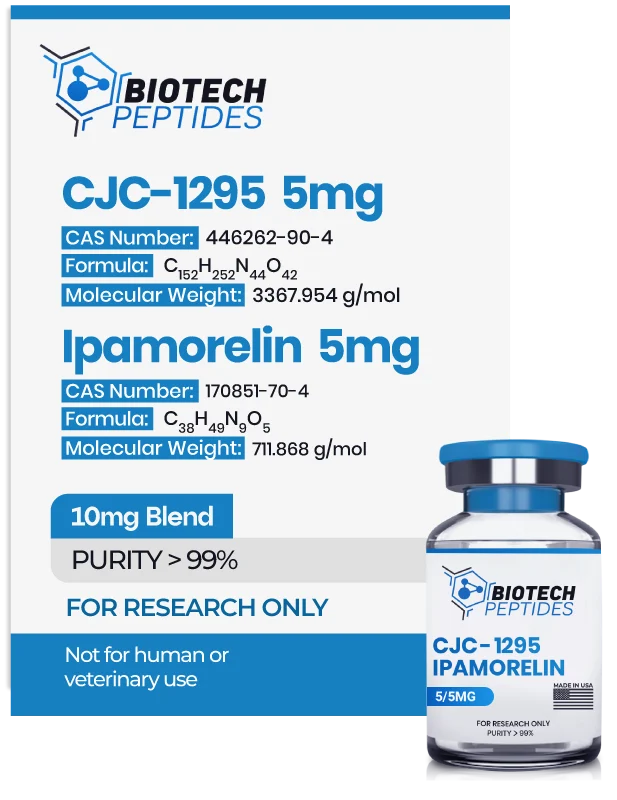 \n
\n \n\n
Common Mistakes and How to Avoid Them
\nEven if you secure high-purity peptides, poor execution will almost guarantee that you run into the bad side effects of the protocol. Here are the most frequent blunders made by men in the 35-44 age category:
\n\n1. Eating Too Close to the Injection Window: Both insulin and free fatty acids in the blood stream blunt the pulse of growth hormone. If you inject right after eating a high-carb or high-fat late-night snack, your pituitary gland will release minimal growth hormone. You are wasting money and unnecessarily processing the compound through your kidneys and liver.
\n How to avoid it: Maintain a strict fast of at least 2 to 3 hours before your bedtime injection, and do not eat for 30 minutes afterward.
2. Skipping Baseline Blood Panels: Many men assume peptides are harmless "wellness supplements" and do not bother to track their internal metrics. If you have underlying blood sugar issues or silent systemic inflammation, this stack can push those markers into dangerous territory.
\n How to avoid it: Before starting, get a comprehensive blood panel measuring Fasting Insulin, HbA1c, Fasting Glucose, IGF-1, and a complete lipid panel. Re-test these markers every 8 to 12 weeks.
3. Using the Wrong Water for Reconstitution: Reconstituting your peptide with plain sterile water instead of bacteriostatic water means the solution has no preservative protection. Bacteria can multiply rapidly inside the vial after the first needle puncture.
\n How to avoid it: Only use verified bacteriostatic water containing benzyl alcohol, and always store your reconstituted vial in a dedicated, dark section of your refrigerator.
\n\n
FAQ
\n \nIs the CJC-1295 and Ipamorelin stack clinically proven?
\nThe individual mechanisms of GHRH mimics and ghrelin analogs are heavily documented in clinical endocrinology literature. However, the exact combination stack of CJC-1295 and Ipamorelin has not gone through large-scale, multi-phase FDA approval pipelines for general consumer use. Its current use is largely based on structural extrapolation from smaller human trials and the clinical protocols of progressive longevity medicine networks.
\n\nHow long does it take for CJC-1295 and Ipamorelin side effects to appear?
\nAcute side effects like facial flushing, a rapid heart rate, and mild dizziness typically manifest within 5 to 15 minutes of a subcutaneous injection and resolve within an hour. Chronic side effects, such as peripheral water retention, joint stiffness, and changes to waking fasting blood sugar levels, usually become noticeable between week 2 and week 4 of a continuous daily protocol.
\n\nWhat are the bad side effects of CJC-1295 and Ipamorelin long term?
\nThe primary long-term concerns revolve around glycemic control and glandular accommodation. Prolonged elevation of growth hormone can reduce systemic insulin sensitivity, potentially leading to elevated HbA1c levels if your diet isn\'t carefully controlled. Additionally, failing to build scheduled breaks or cycles into your protocol can lead to a desensitization of pituitary receptors, temporarily reducing your natural baseline output once you stop using the peptides.
\n\nCan you combine CJC-1295 and Ipamorelin with TRT or other treatments?
\nYes, many hormone optimization clinics frequently pair this peptide stack with Testosterone Replacement Therapy (TRT). Because testosterone and growth hormone use entirely separate biological signaling pathways, they do not directly compete. However, stacking them increases the risk of collective water retention and blood pressure elevation, making regular cardiovascular monitoring and blood pressure tracking absolutely mandatory.
\n\nIs there an oral vs injection alternative for CJC-1295 and Ipamorelin?
\nWhile oral alternatives like sublingual troches, capsules, or nasal sprays exist on the market, their clinical efficacy is dramatically lower. Peptides are highly fragile chains of amino acids that are easily broken down by stomach acids and digestive enzymes. Subcutaneous injection remains the gold standard for bioavailability, ensuring almost 100% of the active compound successfully enters systemic circulation. For those unwilling to inject, growth hormone secretagogues like Ibutamoren (MK-677) exist in oral form, but they carry a much harsher side effect profile, including extreme appetite stimulation and severe insulin resistance risks.
\n\n\n\n
A Practical 2-Week Experiment Framework
\nIf you and your doctor establish that this protocol is appropriate for your goals, jumping in blindly with high doses is a recipe for severe side effects. A sensible harm-reduction strategy relies on a conservative titration framework to let your nervous system adapt.
\n\n- \n
- Days 1–3 (The Micro-Dose Phase): Administer a tiny micro-dose of 50 mcg total of the blend subcutaneously just before bed. Do not eat for 3 hours prior. The goal here is solely to test for acute allergic reactions, intense histamine dumps, or unmanageable heart palpitations. \n
- Days 4–7 (The Standard Baseline Phase): Increase the dose to 100 mcg total before bed. Monitor your sleep quality using a wearable tracker and log any morning hand stiffness or headaches in a daily journal. \n
- Days 8–14 (The Full Protocol Assessment): Move to the clinically targeted dose of 150 to 200 mcg total. Run this on a 5-day on, 2-day off schedule (skipping weekends). \n
If at any point during these two weeks your waking blood pressure spikes by more than 10 points, or if joint pain starts interfering with your daily productivity, immediately scale the dose back to the last comfortable tier or pause the experiment entirely.
\n\n\n\n
About the Author
\nEthan Vance is an independent human performance researcher and consumer advocate specializing in hormone optimization and peptide pharmacology for men over 35. Over the last nine years, Ethan has reviewed over 150 compounding protocols and personal optimization case studies, separating clinical evidence from heavy fitness-industry marketing trends.
\n \nDisclaimer: The information contained in this article is for educational, informational, and harm-reduction purposes only. It is not intended to act as medical advice, nor should it be used to diagnose, treat, cure, or prevent any medical condition. Peptides can carry significant systemic health risks, and any experimentation should only be conducted under the direct supervision of a licensed physician or endocrinologist.
\n
Discussion